Medical
Breakthrough discovery in the treatment heart disease


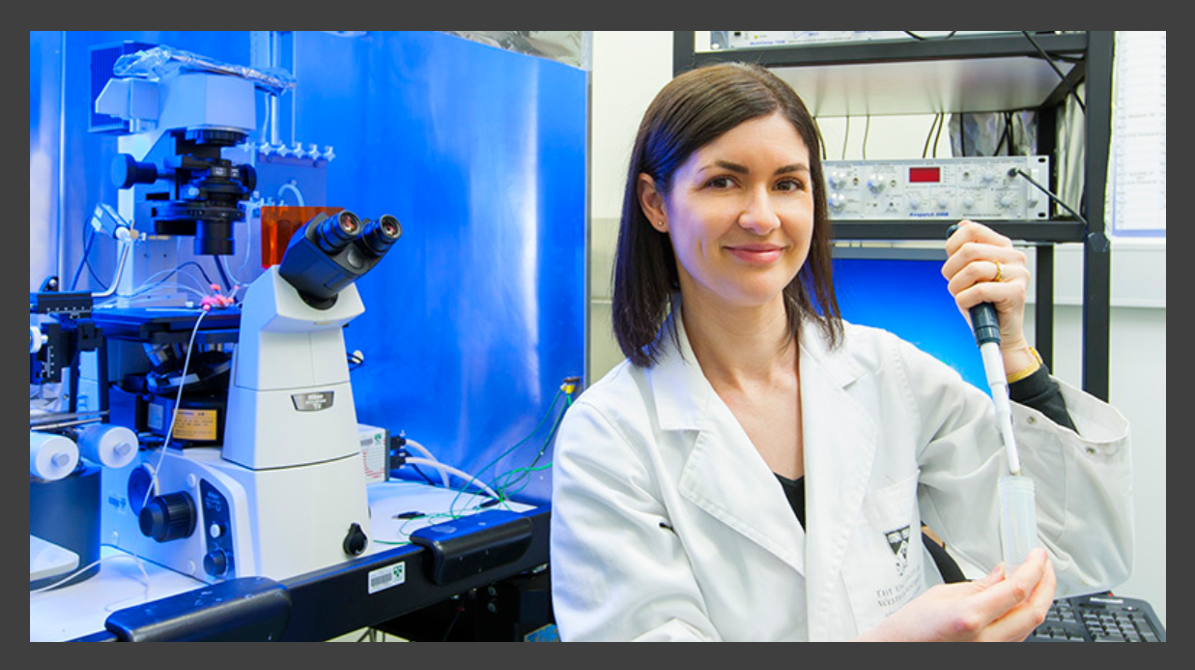
Medical News: Scientists at the Victor Chang Cardiac Research Institute in Western Australia have made a breakthrough discovery in the treatment of an inherited heart disease that is the leading cause of death in children aged between 5 and 15.
Hypertrophic cardiomyopathy can cause the heart to become dangerously large. Professor Livia Hool who spearheads the breakthrough said, “There are currently no effective treatment options for patients with advanced hypertrophic cardiomyopathy. It is a horrible disease. A gene mutation can cause the heart to get so huge that it becomes a high energy-consuming muscle, stiff and hypercontractile. The resulting rhythm problems can cause a cardiac arrest and can lead to sudden death in seemingly young, fit children,” said Professor Hool.
But pioneering research by Professor Hool and her team could be the hope these children need. “We have discovered that by targeting a calcium channel in the heart with medication, we can prevent the disease from occurring altogether, potentially reducing the number of children that die from sudden death. This is a fantastic result!”
She adds, “For patients who already have an oversized heart, the study also found a partial reversal of the effects of the disease, with the heart returning to a more normal size.” Studies were conducted using a mouse model and echocardiography to monitor how the hearts respond to the treatment. It is hoped that funding to support clinical human trials will follow.
The breakthrough builds on a discovery made by Professor Hool and her team a decade ago. “In 2010, we discovered a novel role for the calcium channel in the heart. We realised that in addition to regulating the rhythm of the heart the calcium channel also regulated how energy was provided to the organ. It was a real Eureka moment and it was key to this latest breakthrough. It set us on the path to make this potentially life-changing discovery.”
“This is research that Western Australia should be very proud of as it has the potential to save many lives, not just here but around the globe. Statistics suggest 1 in 500 people carry the gene mutation, but doctors believe it could be as common as 1 in 200. Whilst not all patients will go on to get advanced disease, that’s approximately 150,000 people in Australia who could be predisposed to hypertrophic cardiomyopathy.”
The research, entitled Characterisation and validation of a preventative therapy for hypertrophic cardiomyopathy in a murine model of the disease by Dr Helena Viola and Prof Livia Hool (et al) will be published in the Proceedings of the National Academy of Sciences USA on August 24. A copy of the paper is available upon request.
News & Trends - Pharmaceuticals

Healthcare affordability and accessibility top priority for consumers ahead of Federal Budget
Pharma News: With the Federal Budget set to be delivered in just one week, there is a critical need for […]
MoreNews & Trends - Pharmaceuticals

UCB secures registration of rheumatology drug
Pharma News: UCB Australia has secured Therapeutic Goods Administration (TGA) approval of its therapy for psoriatic arthritis (PsA), non-radiographic axial […]
MoreDigital & Innovation

Targeted funding of digital health technologies key to unlocking $5 billion in savings: New report
Digital & Innovation: Integrating digital technology into healthcare more effectively could alleviate pressures on our healthcare system and lead to […]
MoreNews & Trends - MedTech & Diagnostics

Surgeons welcome ‘significant win’ for patients, amidst clash with health insurers
MedTech & Diagnostics News: The Royal Australasian College of Surgeons (RACS) is heralding a significant triumph for Australian patients following […]
More