Human Resources
Top workplace predictions in 2023


Human Resources: As we enter the third year since COVID-19 came into existence, organisations face historic challenges with a competitive talent landscape, an exhausted workforce, and pressure to control costs. In this environment, it’s imperative to tackle the following trends as companies sets strategic workforce and talent goals.
“Quiet hiring” will create new avenues to snag in-demand talent
Despite worries about a forthcoming recession and more redundancy announcements, a majority of HR leaders still expect the labour market to get more competitive.
Progressive companies will need to turn to “quiet hiring” to acquire new skills and capabilities without acquiring new full-time employees. For example, they will deploy current employees to the highest priorities, which may necessitate reskilling and stretch assignments. Leaders will also emphasise upskilling to fulfil employees’ career aspirations while meeting organisational needs.
Managers will be sandwiched by leader and employee expectations
Many managers are struggling with how to balance the need to implement corporate strategy on behalf of senior leaders and providing the sense of purpose, flexibility, and career opportunities that their employees expect.
In 2023, leading organisations will recognise the increasing pressure on managers, and they will provide support and training to mitigate the widening managerial skills gap while clarifying manager priorities and redesigning their roles where necessary.
Pursuit of non-traditional candidates will expand talent pipelines
Organisations are being forced to expand and diversify their talent pipelines due to employees increasingly charting non-linear career paths. These organisations are also faced with an inability to meet talent needs through traditional sourcing methods and candidate pools.
To fill critical roles in 2023, organisations will need to become more comfortable assessing candidates solely on their ability to perform in the role, rather than their credentials and prior experience.
Organisations will take several approaches to do this, such as relaxing formal education and experience requirements in job postings and reaching out directly to internal or external candidates from non-traditional backgrounds.
Organisations will drive DEI forward amid growing pushback
Although organisations still prioritise diversity, equity and inclusion (DEI) efforts, many employees say their organisation’s DEI efforts are divisive. This pushback to DEI efforts can decrease workforce engagement, inclusion and trust.
To address this fraught moment for DEI, in 2023, HR must equip managers with tools and strategies to engage resistant employees and address pushback early before it evolves into more disruptive forms of DEI resistance. This is crucial for maintaining the momentum of DEI efforts and achieving greater maturity and strategic impact.
Hybrid flexibility will reach frontline workers
Many organisations have sought to make the workforce-wide experience fair by simply making it equal: mandating on-site work for those who could work elsewhere. More than 6 in 10 organisations have some sort of on-site requirement for employees whose work can be done remotely.
In 2023, smart organisations will stop limiting flexibility in the name of fairness and will pursue formal strategies for more flexibility for the frontline workforce. To do this, organisations will provide frontline workers more control over their schedules, more paid leave and more stability in work schedules.
Gen Z skills gaps will reveal workforce-wide erosion of social skills
The rise in remote and hybrid work has meant that many new-to-the-workforce employees have had few in-person opportunities to observe norms and determine what is appropriate or effective within their organizations.
Rather than forcing employees back to in-person work to establish connections, leaders need to build intentional connections among employees across geographic – and generational – boundaries.
There are three key elements to creating intentional interactions among employees: employee choice and autonomy, a clear structure and purpose, and a sense of levity and fun.
 In reimagining healthcare across the entire patient journey, Health Industry HubTM is the only one-stop-hub uniting the diversity of the Pharma, MedTech, Diagnostics & Biotech sectors to inspire meaningful change.
The Health Industry HubTM content is copyright protected. Access is available under individual user licenses. Please click here to subscribe and visit T&Cs here.
News - MedTech & Diagnostics

Another talkfest? NSW Preventive Health Summit faces test of political will
Six days before the NSW Government’s invitation-only Preventive Health Summit, the state’s major political parties have put competing prevention policies […]
MoreNews - Pharmaceuticals

Oncologists urge global expansion of Australia’s landmark pan-tumour funding
Two international oncologists are calling on health systems in the United States and Europe to follow Australia’s lead after the […]
MoreNews - Pharmaceuticals
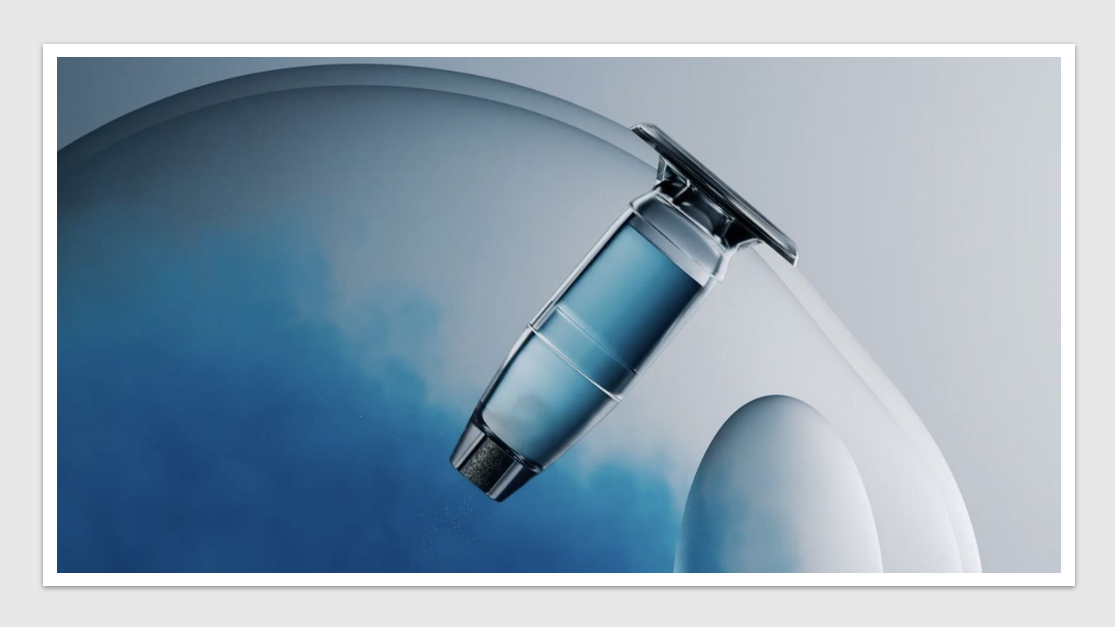
TGA backs Roche implant as first-of-its-kind anti-VEGF therapy for wet AMD
The Therapeutic Goods Administration (TGA) has approved Roche’s anti-VEGF eye treatment Susvimo (ranibizumab) for use with the Contivue implant, introducing […]
MoreNews - MedTech & Diagnostics

Coalition pledges surgery backlog fix as Labor’s 12-year VIC reign faces end
Victorian Opposition Leader Jess Wilson has unveiled the Surgery Sooner policy as one of the Coalition’s health pledges ahead of […]
More