News - MedTech & Diagnostics
Federal Budget must address significant logjams in public and private hospitals


MedTech News: With polling consistently highlighting health is a top concern for voters, this week’s Federal Budget is the last chance for Government to demonstrate it is serious about addressing the health system’s significant strains and logjams, including elective surgery backlogs, hospital workforce exhaustion and lack of beds in public hospitals.
The Australian Medical Association (AMA) released its full Pre-Budget Submission, including final chapters on private health and primary care, completing AMA’s call for urgent and significant investment across the four pillars of preventative health, primary care, public hospitals and private healthcare.
AMA President, Dr Omar Khorshid, said “The pandemic has proven what we’ve always known – health is the best investment a government can and should make. But Australia’s health is far more than just the pandemic, and the AMA expects to see significant investment in this budget – because we know it’s going to be the key issue at the election.”
Public hospital beds per 1,000 people aged 65 years is a key measure of public hospital capacity. According to the AMA, thirty years ago we had more than 30 beds in our public hospitals per 1,000 people over the age of 65, we now have fewer than 15 and our population is ageing.
Dr Khorshid continued “Our hospitals are currently in crisis due to chronic underfunding, which is why we’re calling for an additional $20.5 billion across four years to create a more equitable 50-50 funding share between the Commonwealth and states and territories and remove the 6.5% cap on growth.
“That is on top of our call for additional partnership funding to improve hospital performance, expand capacity, and reduce avoidable admissions and readmissions. Without it, our hospitals performance and capacity will continue to deteriorate, and the community will continue to be caught in a logjam.”
The private health system remains at a tipping point, with urgent reform required if the critical balance between the public and private sectors is to survive. The AMA’s Pre-Budget Submission provides a roadmap to improving value and affordability, as well as restoring consumer confidence in private health insurance. A key component of this roadmap is the establishment of an independent authority to oversee the private health system and create a platform for reform.
“Previous attempts at reform have been limited and have not addressed the underlying issues in the private system. Now is the time to agree, and implement, the necessary once-in-a-generation reforms required to ensure the future viability of private healthcare in Australia,” Dr Khorshid said.
“We outlined changes that are needed to make insurance more affordable for consumers in our detailed Prescription for Private Health. We know the Government funded a review as a result – but what we need now is action,” he said.
You may also like: APHA and CHF recognise medtech commitment to Prostheses List agreement but focus must ‘switch to true reforms’ of private health insurance
The Consumer Health Forum’s (CHF) Pre-Budget Submission noted “The reviews into Lifetime Health Cover, risk equalisation, the Medicare Levy Surcharge exemption and the tax rebate on premiums have been conducted in a less than transparent manner and the results of the consultations have
not been made public. We are proposing an open transparent process where the value propositions of all current and potential measures could be examined and debated. This should lead to decisions that serve the best interests of all consumers, both those with and without private health insurance.”
The AMA is planning to hold a national summit in June 2022 to push for the next stage of private health reforms.
“It will require all players in the sector to work together, to ensure a whole-of-system approach that protects patients, while balancing the interests of hospitals, insurers, medical device manufacturers, doctors and most importantly, patients,” Dr Khorshid.
After two years of a COVID pandemic, the front line of the health system – the nation’s GPs and public hospitals – are exhausted, and urgently need investment. In response the AMA has called for a once-in-a-generation investment in primary care to support our GPs, and a new funding agreement to Clear the Hospital Logjam in the nation’s public hospitals.
“General practice is the cornerstone of our health system. But it is not funded to deliver the care that Australians need. We need to invest in general practice, so patients can spend more time with their trusted GPs, access more care under one roof, and be better supported – whether they live with chronic wounds, are in a residential aged care facility, or require care afterhours,” Dr Khorshid said.
“We have called out the $448.5 million cut in promised funding for general practice and the Government’s apparent loss of interest in its own 10-year primary care plan. This budget is the Government’s last chance to deliver on its promises to the nation’s GPs.”
News - MedTech & Diagnostics

Another talkfest? NSW Preventive Health Summit faces test of political will
Six days before the NSW Government’s invitation-only Preventive Health Summit, the state’s major political parties have put competing prevention policies […]
MoreNews - Pharmaceuticals

Oncologists urge global expansion of Australia’s landmark pan-tumour funding
Two international oncologists are calling on health systems in the United States and Europe to follow Australia’s lead after the […]
MoreNews - Pharmaceuticals
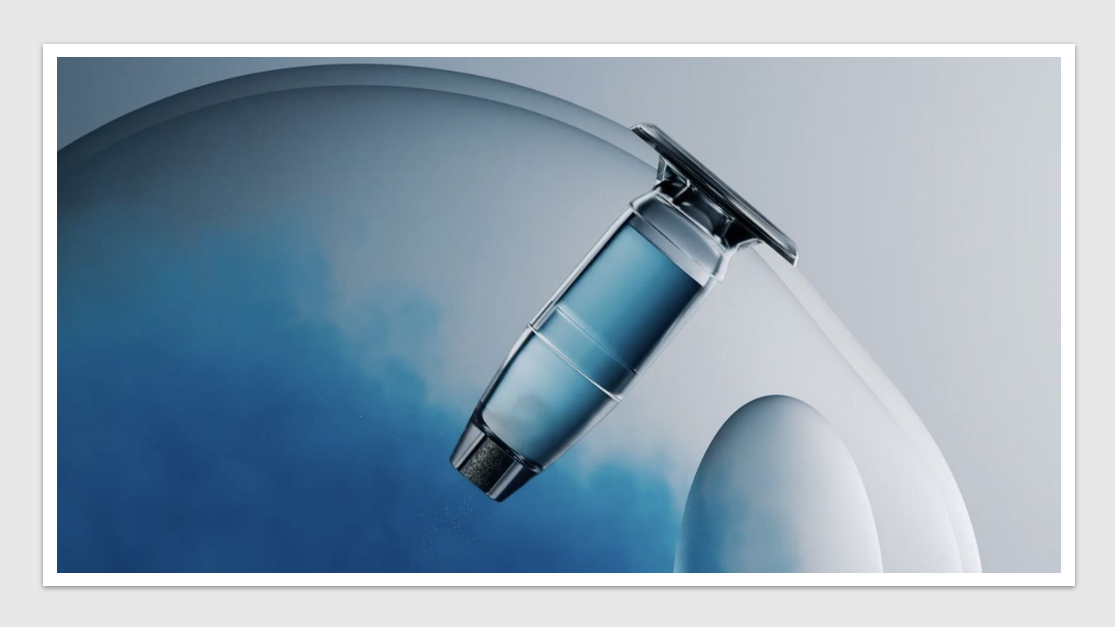
TGA backs Roche implant as first-of-its-kind anti-VEGF therapy for wet AMD
The Therapeutic Goods Administration (TGA) has approved Roche’s anti-VEGF eye treatment Susvimo (ranibizumab) for use with the Contivue implant, introducing […]
MoreNews - MedTech & Diagnostics

Coalition pledges surgery backlog fix as Labor’s 12-year VIC reign faces end
Victorian Opposition Leader Jess Wilson has unveiled the Surgery Sooner policy as one of the Coalition’s health pledges ahead of […]
More