News & Trends - MedTech & Diagnostics
Expanded access to high-precision medical technology to benefit patients with brain cancer


Patients in Queensland are set to benefit from the state’s first private cancer facility offering a non-invasive treatment for brain cancers and other neurological disorders such as essential tremor and trigeminal neuralgia.
Radiation Oncologist and Icon’s Deputy Director of Radiation Oncology, A/Professor Matthew Foote, said the cutting-edge technology will significantly improve patient care.
“The Gamma Knife allows us to treat even the most complex brain conditions with unparalleled precision,” said A/Professor Foote. “It uses sub-millimetre precision doses of radiation to directly target tumours and can accurately treat a range of conditions. It is also effective in managing hard-to-treat and small tumours, while minimising side effects and sparing surrounding healthy tissue.”
While five-year survival rates for prostate cancer have risen from 60% to over 90%, and breast cancer survival has improved from 72% to over 90%, brain cancer survival has barely changed – rising from just 21.2% in 1986 to 22.3% today.
The Icon Cancer Centre, scheduled to open by the end of the year, will be the fourth facility in Australia to offer Gamma Knife technology, expanding access to this state-of-the-art treatment. Macquarie University Hospital in Sydney was the first to introduce the stereotactic radiosurgery program using Elekta’s Leksell Gamma Knife Perfexion system.
A/Professor Foote emphasised the growing need for greater access to less invasive interventions.
“Growing evidence and indications support the use of less invasive brain treatment. This centre will provide Queensland patients with more choice and greater access, giving them back more valuable time with their loved ones.”
Gamma Knife technology, valued at $8-10 million, utilises highly focused radiation beams to precisely target and treat brain lesions and other neurological diseases without traditional surgery. It represents a significant advancement in the treatment of cancerous and non-cancerous brain tumours, vascular abnormalities, and certain neurological disorders, reducing recovery times and improving overall patient outcomes.
Unlike traditional radiation therapy, which can require up to 30 treatment sessions, most patients receiving Gamma Knife treatment need only 1-5 sessions, reducing hospital visits and improving the patient experience.
Icon Group CEO, Mark Middleton OAM, said “The new centre reflects Icon’s commitment to bringing world-class treatments to more people and highlights our excellence in cancer care.
“We look forward to further investing in Gamma Knife technology to deliver improve patient outcomes for people across Australia’s eastern seaboard and elevate Australia’s oncology landscape.”
The new facility will be located at Herston Private Hospital in Brisbane’s inner north-eastern suburb, Bowen Hills.
 In reimagining healthcare across the entire patient journey, Health Industry HubTM is the only one-stop-hub uniting the diversity of the Pharma, MedTech, Diagnostics & Biotech sectors to inspire meaningful change.
The Health Industry HubTM content is copyright protected. Access is available under individual user licenses. Please click here to subscribe and visit T&Cs here.
News & Trends - Biotechnology

CSL reshapes R&D while bracing for U.S. tariffs
Australia’s largest biotech company CSL is streamlining its R&D operations to enhance efficiency amidst a rapidly evolving global landscape. The […]
MoreNews & Trends - MedTech & Diagnostics
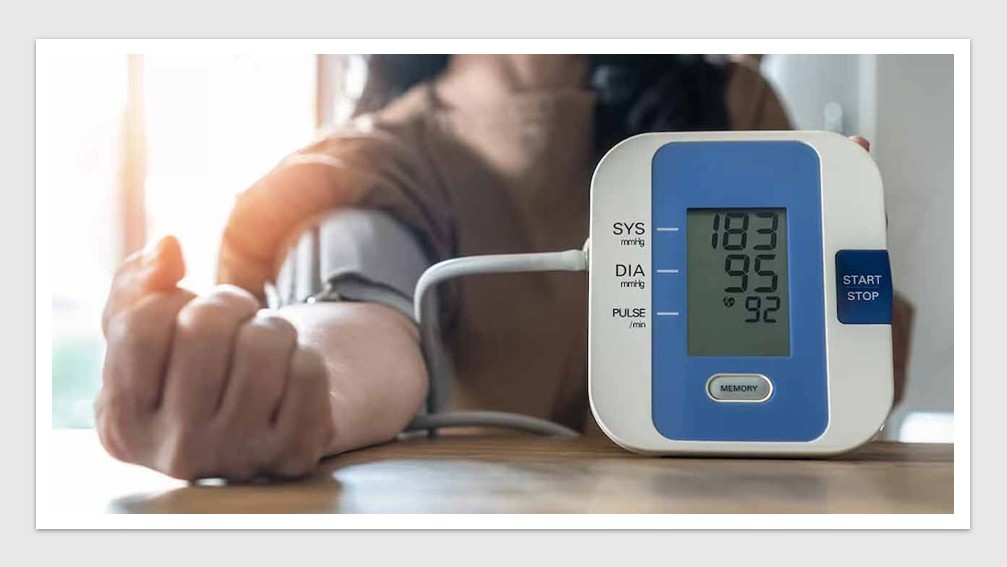
Australia joins Medtronic trial in fight against resistant hypertension
Medtronic has launched an international clinical trial across Australia, the United States, and Europe to evaluate the feasibility of multi-organ […]
MoreNews & Trends - MedTech & Diagnostics

Medibank launches pharmacogenetic testing while government stalls on insurance discrimination ban
Medibank has become the first Australian health insurer to pay towards pharmacogenetic testing (PGx) for eligible customers on Extras cover. […]
MoreNews & Trends - Pharmaceuticals

Global pledge shifts visibility and action for patients with advanced breast cancer
Three breast cancer organisations have united internationally to demand that people living with metastatic breast cancer (MBC) are no longer […]
More